English
 中文简体
 Español

Search...
Content
The Advantages of Dyed Ultrasonic Fabric
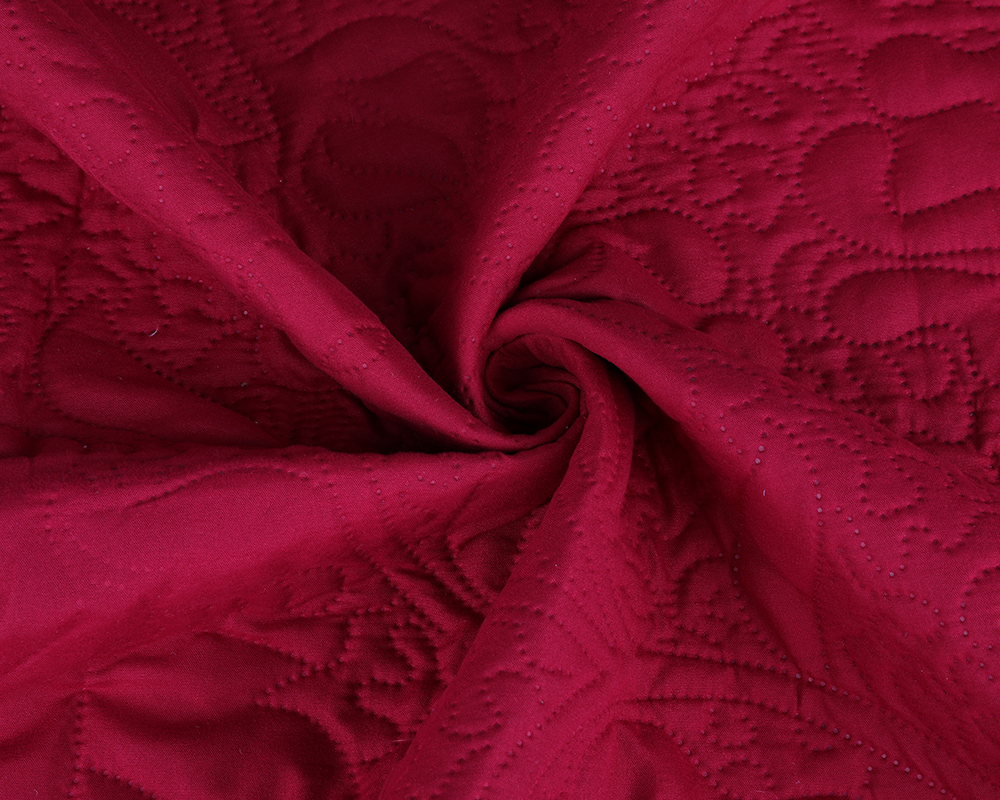
Dyed ultrasonic fabric represents a significant advancement in textile engineering, combining the aesthetic versatility of color with the structural integrity of ultrasonic bonding. Unlike traditional sewn fabrics, this material is joined using high-frequency sound waves that melt synthetic fibers at the molecular level, creating seamless, durable bonds without the need for thread or needles. This process results in a smoother surface, reduced bulk, and enhanced water resistance.
The integration of dyeing processes allows manufacturers to produce vibrant, consistent colors that penetrate the synthetic fibers, typically polypropylene or polyester, before or after the bonding phase. This combination is particularly valuable in industries requiring hygiene, such as medical disposables, as well as in fashion and home decor where aesthetics and durability are paramount. The result is a material that is not only visually appealing but also resistant to fraying and unraveling, extending the lifespan of the final product.
Manufacturing Process and Technical Details
Understanding how dyed ultrasonic fabric is produced helps in appreciating its unique properties and limitations. The process involves two main stages: dyeing and ultrasonic bonding.
Dyeing Synthetic Fibers
Most ultrasonic fabrics are made from thermoplastic polymers like polypropylene (PP) or polyester (PET). These materials require specific dyes, such as disperse dyes, which can withstand the high temperatures involved in both dyeing and subsequent ultrasonic processing. The dyeing process ensures color fastness, preventing fading during washing or exposure to sunlight. Advanced techniques like solution dyeing, where color is added to the polymer melt before extrusion, offer superior UV resistance and environmental benefits by reducing water usage.
Ultrasonic Bonding Mechanism
Ultrasonic bonding uses high-frequency acoustic vibrations (typically 20-40 kHz) to generate heat through friction at the interface of two fabric layers. This heat melts the thermoplastic fibers, fusing them together upon cooling. Key advantages include:
- No Thread Required: Eliminates weak points associated with needle holes and thread breakage.
- Speed and Efficiency: Bonding occurs in milliseconds, allowing for high-volume production.
- Sealed Edges: Prevents fraying and creates a clean, finished look without hemming.
| Feature | Ultrasonic Bonding | Traditional Sewing |
|---|---|---|
| Joint Strength | High (Uniform) | Variable (Depends on Thread) |
| Water Resistance | Excellent (Sealed) | Low (Permeable Holes) |
| Production Speed | Very Fast | Moderate |
| Material Compatibility | Thermoplastics Only | Universal |
Applications Across Industries
The unique properties of dyed ultrasonic fabric have led to its adoption in a wide range of sectors, from healthcare to consumer goods.
Medical and Hygiene Products
In the medical field, ultrasonic bonding is crucial for creating sterile, leak-proof barriers. Surgical gowns, drapes, and disposable masks benefit from the seamless joints that prevent fluid penetration. The ability to dye these materials allows for color-coding different sizes or types of protective gear, enhancing safety and efficiency in clinical settings.
Fashion and Apparel
Designers are increasingly using ultrasonic techniques for sportswear and outdoor gear. The absence of bulky seams reduces chafing and improves comfort during physical activity. Dyed ultrasonic fabrics allow for vibrant, complex patterns without the risk of thread mismatch or seam failure. Examples include swimwear, rain jackets, and lightweight activewear where aerodynamics and water repellency are essential.
Home Decor and Packaging
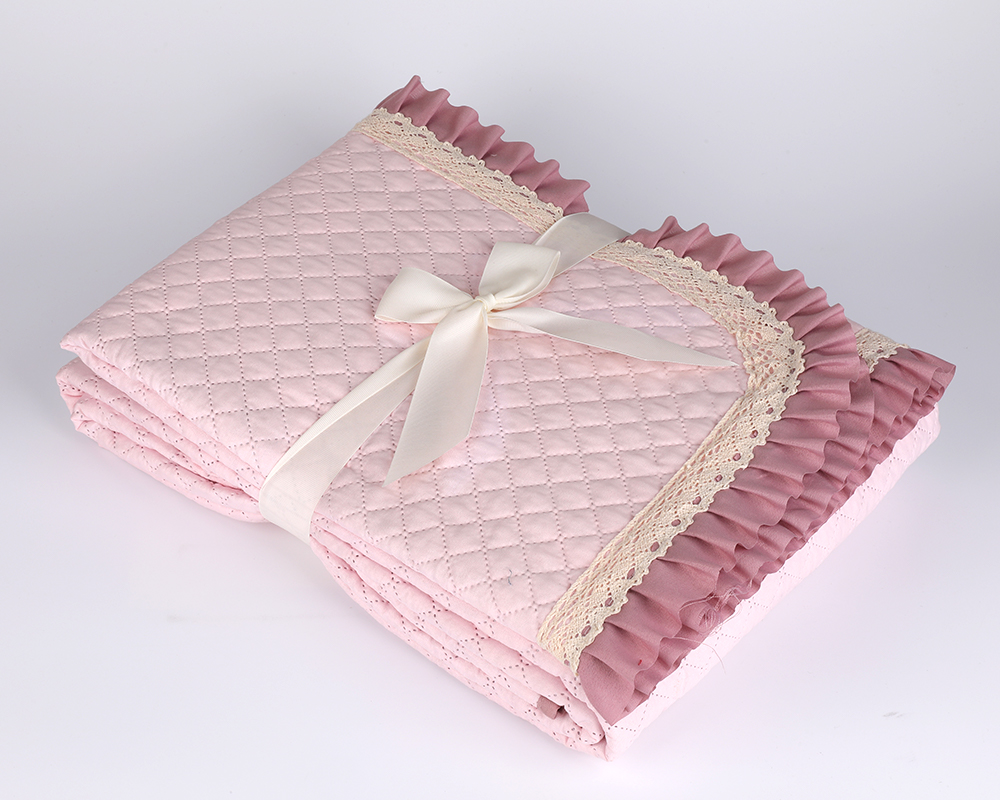
In home decor, dyed ultrasonic fabric is used for items like tablecloths, napkins, and decorative banners that require frequent washing and durability. The sealed edges prevent fraying, maintaining a neat appearance over time. In packaging, it is used for reusable shopping bags and gift wraps, offering a sturdy, aesthetically pleasing alternative to paper or plastic.
Care and Maintenance Guidelines
To preserve the integrity and color of dyed ultrasonic fabric, proper care is essential. While durable, the bonded joints can be sensitive to extreme heat and harsh chemicals.
Washing Instructions
Most dyed ultrasonic fabrics can be machine washed, but it is recommended to use a gentle cycle with cold or lukewarm water. Avoid high temperatures, as excessive heat can weaken the ultrasonic bonds or cause the synthetic fibers to distort. Use mild detergents and avoid bleach, which can degrade the dye and compromise the material's structural integrity.
Drying and Ironing
Air drying is the safest method for ultrasonic fabrics. If using a dryer, select a low-heat setting. Do not iron directly on the bonded areas, as the concentrated heat can melt the fibers and ruin the seal. If ironing is necessary for wrinkles, use a pressing cloth and a low temperature setting, avoiding direct contact with the ultrasonic seams.
Storage Tips
Store dyed ultrasonic fabric items in a cool, dry place away from direct sunlight to prevent fading. Fold items neatly to avoid creasing the bonded edges, which could lead to stress fractures over time. For long-term storage, consider using breathable garment bags to protect against dust and moisture.
Environmental Impact and Sustainability
As sustainability becomes a priority, the environmental footprint of dyed ultrasonic fabric is under scrutiny. While the process eliminates thread waste, the reliance on synthetic polymers poses challenges.
Recyclability Challenges
Polypropylene and polyester are technically recyclable, but the presence of dyes and the fused nature of ultrasonic bonds can complicate the recycling process. Separating colors and breaking down bonded layers requires specialized facilities. However, advancements in mono-material design are making it easier to recycle these fabrics by ensuring all components, including adhesives or coatings, are compatible.
Eco-Friendly Innovations
Manufacturers are exploring bio-based polymers and waterless dyeing technologies to reduce the environmental impact. Solution dyeing, for instance, significantly reduces water consumption and chemical runoff compared to traditional piece dyeing. Additionally, the durability of ultrasonic bonds means products last longer, reducing the frequency of replacement and overall waste generation.