English
 中文简体
 Español

Search...
Content
Is Polyester Soft? The Honest Answer
Polyester has a reputation problem. Ask most people whether it's soft, and they'll picture a stiff 1970s leisure suit or a scratchy discount bed sheet. The reality is more nuanced—and far more interesting. Polyester's softness isn't fixed; it sits on a wide spectrum, shaped almost entirely by how the fabric is manufactured. A low-grade polyester woven from thick filaments can feel plasticky and rigid. A premium microfiber polyester, spun from ultra-fine fibers and finished with a brushing treatment, can feel genuinely plush—closer to silk or cashmere than to anything plastic.
So the honest answer is: polyester can be soft, and it can be coarse—sometimes dramatically so. Understanding what puts a given fabric at one end of that spectrum or the other is the key to choosing polyester that actually feels good against your skin.
What Determines How Soft Polyester Feels
Four manufacturing variables drive nearly all of the variation in polyester's texture. Changing any one of them shifts the final hand-feel substantially.
Fiber thickness (denier). Denier is the unit used to measure how fine a fiber is—the lower the number, the thinner the fiber. Standard polyester sits around 1–3 denier per filament. Microfiber polyester drops below 1 denier, producing fibers finer than a strand of silk. Thinner fibers pack more tightly together, creating a denser, smoother, and noticeably softer surface. A fabric made from 0.5-denier filaments will feel dramatically different from one made at 3 denier, even if both are labeled "100% polyester."
Crimping and fiber treatment. Raw polyester filaments are flat and straight, which is part of why basic polyester can feel slick and slightly plastic-like. Manufacturers can crimp the fibers—introducing a curl or wave—to break up that uniformity. Crimped fibers create more air pockets and a subtler texture that registers as softness. This step alone can transform a coarse base material into something considerably more comfortable.
Weave vs. knit construction. How the filaments are assembled matters as much as the filaments themselves. Knit polyester interlocks fibers in a looped structure that yields a soft, stretchy texture similar to a cotton jersey. Woven polyester crosses fibers at right angles, producing a firmer, smoother, slightly silkier feel. Neither is universally better—they're suited to different applications—but knit constructions tend to score higher on pure softness for apparel and bedding.
Finishing treatments. The final stage of manufacturing can add or subtract softness significantly. Brushing the fabric surface with stiff metal rollers raises tiny fiber ends, creating the fuzzy, warm texture found in polar fleece and brushed microfiber sheets. Calendering (pressing the fabric under heat and pressure) produces the opposite effect: a smooth, slightly shiny surface. Chemical softeners are also commonly applied, though their effect can diminish after repeated washing.
Microfiber Polyester: The Soft End of the Spectrum
If standard polyester is the baseline, microfiber polyester is where the material genuinely excels on softness. Defined by fibers measuring less than one denier—roughly 200 times finer than a human hair—microfiber creates a fabric surface with an exceptionally high density of contact points. The result is a smooth, gentle texture that many people find indistinguishable from natural materials on first touch.
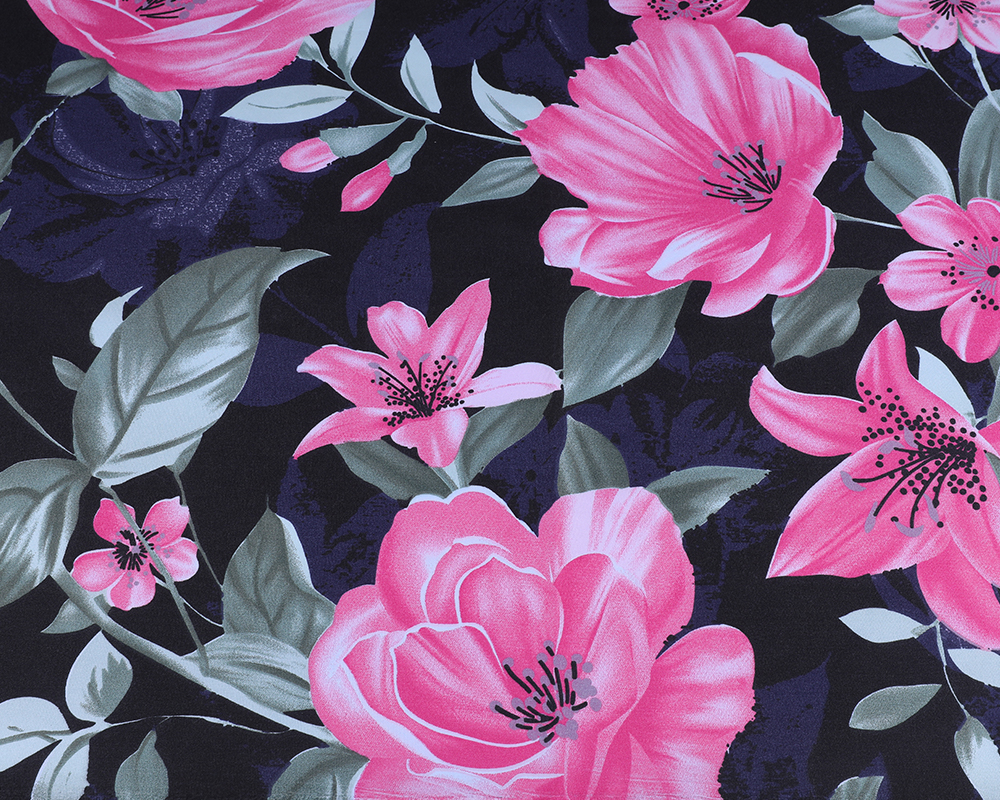
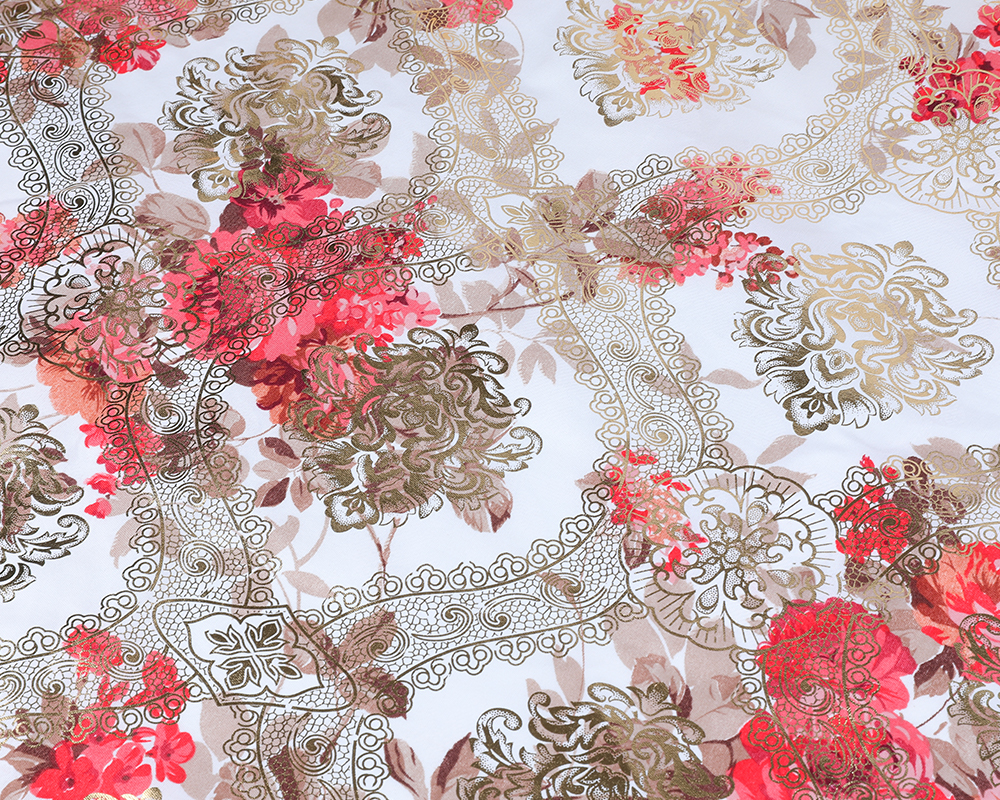
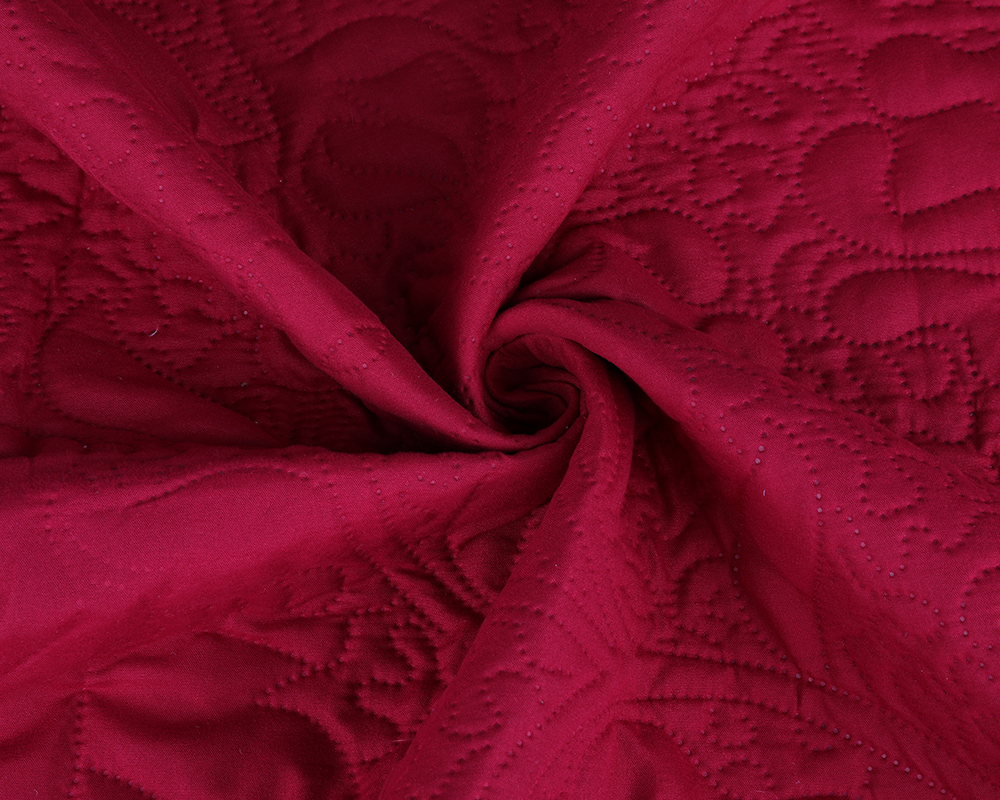
For home textiles in particular, microfiber polyester has become a dominant choice precisely because of this tactile quality. Microfiber bed sheets offer a cool, smooth sleeping surface without the cost premium of high-thread-count cotton. Printed microfiber fabric combines that soft hand-feel with vibrant, durable color—something natural fibers can't always match after repeated washing. Our super-soft microfiber polyester printed fabric for home textiles is a good example of how modern manufacturing turns a synthetic material into something genuinely pleasant to live with.
The key distinction between microfiber and standard polyester isn't just softness—it's the overall sensory package. Microfiber tends to drape more fluidly, resist pilling more effectively, and maintain its texture through washing cycles better than coarser alternatives.
Polyester vs. Cotton and Natural Fibers: Softness Compared
Cotton has long been the gold standard for everyday softness, and with good reason. Its natural fiber structure is slightly irregular and absorbent, which creates a texture that most people associate with comfort. Linen starts stiffer but softens considerably over time. Silk offers unmatched smoothness but at a significant cost. Where does polyester fit against these benchmarks?
| Fabric | Softness | Breathability | Durability | Best Use |
|---|---|---|---|---|
| Standard Polyester | Moderate (varies by grade) | Low | Very High | Outerwear, workwear, upholstery |
| Microfiber Polyester | High | Moderate | High | Bedding, home textiles, activewear |
| Cotton | High | High | Moderate | Everyday apparel, towels |
| Silk | Very High | High | Low | Luxury apparel, premium bedding |
| Linen | Low (initially), improves over time | Very High | High | Summer clothing, table linens |
The honest comparison shows that high-quality polyester—particularly microfiber—can match cotton on softness while outperforming it on durability, wrinkle resistance, and color retention. The main area where polyester still trails natural fibers is breathability: its synthetic structure doesn't absorb moisture the way cotton does, which can feel less comfortable in very warm conditions. For bedding and home textiles where temperature management is important, this is worth considering. For more detail on how dyed polyester specifically compares to natural materials for skin comfort, see our article on how 100% polyester dyed fabrics compare to natural fibers for comfort.

Tips for Choosing Soft Polyester Fabric
Not all polyester is created equal, and marketing labels can obscure more than they reveal. Here are practical ways to assess softness before committing to a fabric or product.
- Check the denier or weight specification. Lower denier = finer fibers = softer result. If a product is labeled "microfiber," that's a positive signal, but look for confirmation that it's below 1 denier. Fabric weight (grams per square meter, or GSM) is a related indicator—higher GSM in a microfiber product typically means denser, softer fabric.
- Look for brushed or peach-skin finishes. These finishing treatments are specifically designed to improve hand-feel. Terms like "brushed polyester," "peach-skin fabric," or "flannel finish" indicate that the surface has been treated to maximize softness.
- Feel the fabric before buying when possible. No specification substitutes for direct touch. Drag the fabric lightly across the back of your hand—a smooth, frictionless glide indicates quality microfiber; any catching or roughness points to coarser construction.
- Assess the weave structure. For apparel and bedding, knit polyester generally offers better softness and drape than woven alternatives. For upholstery or applications needing structure, woven fabrics are more appropriate even if they feel slightly firmer.
- Consider yarn construction in printed fabrics. Printing processes can affect hand-feel if they're applied on top of a coarser base material. High-quality printed polyester uses a fine microfiber base that retains softness even after the printing process. Our 100% polyester plain solid color fabric demonstrates how a well-constructed base fabric maintains both smoothness and color quality.
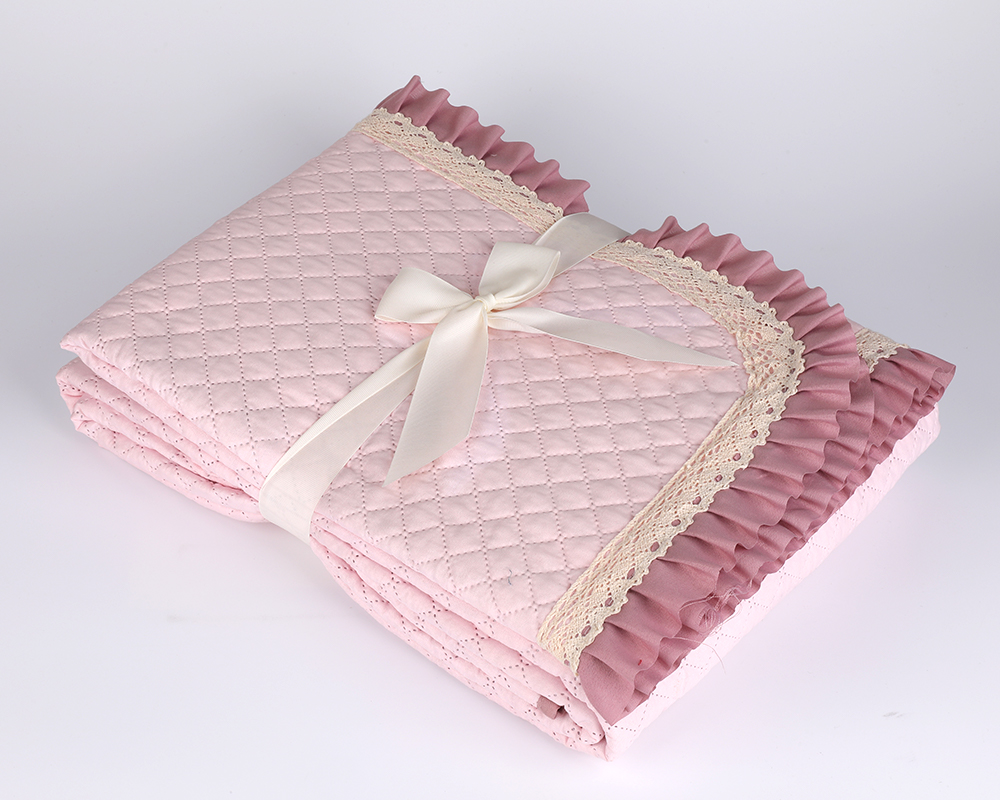
For buyers sourcing fabric for bedding, pillowcases, or duvet covers, microfiber polyester at 80–100 GSM typically hits the sweet spot between softness and durability. Our polyester bedding sets for everyday comfort are built on this principle—pairing high-quality microfiber construction with the practical benefits polyester brings to home textile applications.
Polyester's reputation for being stiff or plasticky belongs to a previous era of textile manufacturing. Today's best polyester fabrics—especially microfiber variants—are engineered specifically for softness, and they deliver it reliably at a fraction of the cost of natural alternatives. The key is knowing what to look for.