English
 中文简体
 Español

Search...
Content
The Enduring Appeal of Jacquard Fabric
Jacquard fabric is not defined by a specific fiber content but by its intricate weaving method. This technique allows for complex, raised patterns to be woven directly into the material rather than printed on top. Jacquard fabrics are significantly more durable than printed textiles because the design is structural, making them resistant to fading and wear over time.
Originally invented by Joseph Marie Jacquard in 1804, this weaving technology revolutionized the textile industry. Today, it is used in everything from luxury upholstery and heavy drapery to high-end fashion and bedding. The versatility of jacquard lies in its ability to be made from cotton, silk, wool, polyester, or blends, offering a wide range of textures and price points.
How Jacquard Weaving Works
The Loom Mechanism
Unlike plain weaves where threads cross simply over and under, jacquard looms control each warp thread individually. This allows for large-scale, detailed patterns such as florals, damasks, and geometric shapes. Modern electronic jacquard looms can handle thousands of warp ends, enabling high-resolution designs that were impossible with manual methods.
Structural Integrity
Because the pattern is woven into the fabric, jacquard textiles are typically heavier and thicker. This density provides excellent insulation and sound-dampening properties, making them ideal for curtains and upholstered furniture. The raised texture also adds a tactile dimension that enhances the perceived luxury of the material.
Common Types of Jacquard Fabrics
Damask
Damask is a reversible jacquard fabric characterized by a subtle contrast between matte and satin finishes. Traditionally made from silk, linen, or cotton, modern damask often uses polyester blends for durability. It is commonly used for table linens, napkins, and formal upholstery due to its elegant, understated appearance.
Brocade
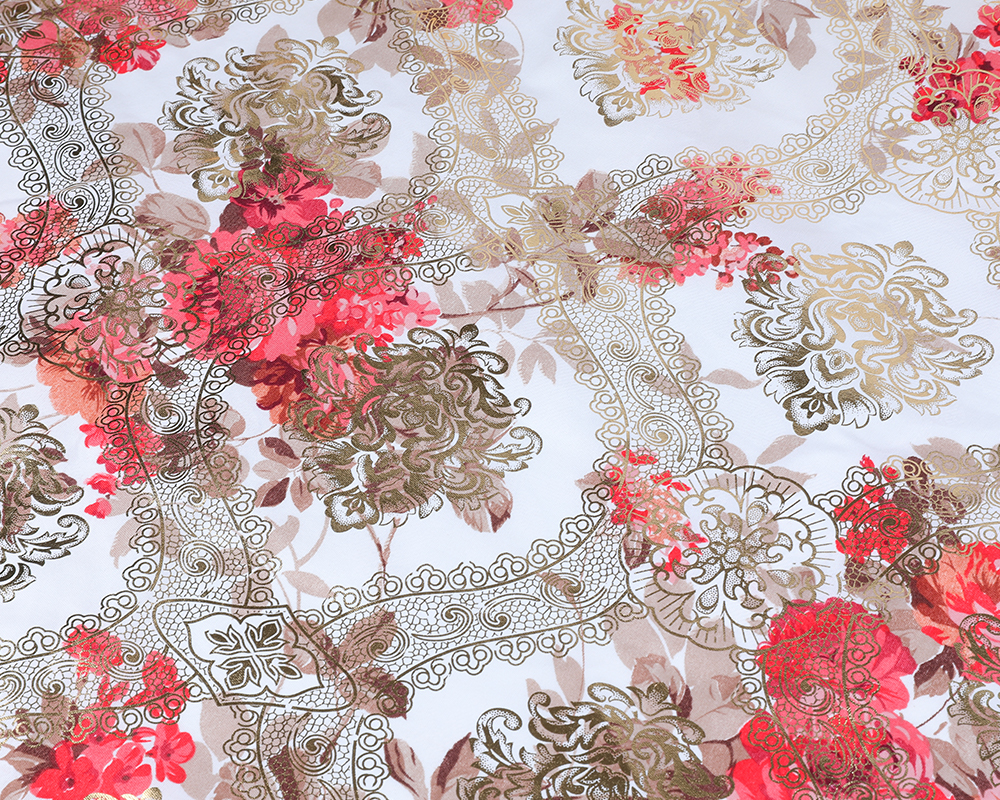
Brocade features raised, embroidered-like patterns often created with metallic threads. Unlike damask, brocade is not reversible and has a distinct right and wrong side. It is heavier and stiffer, making it suitable for structured garments, evening wear, and decorative pillows where a rich, opulent look is desired.
Matelassé
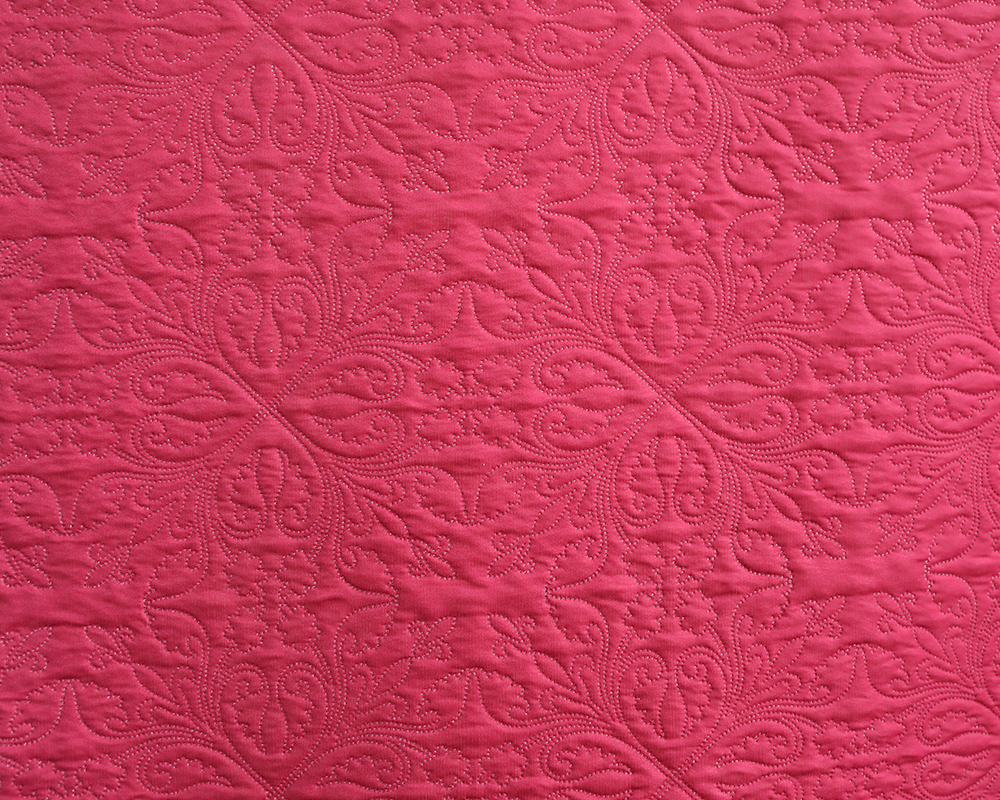
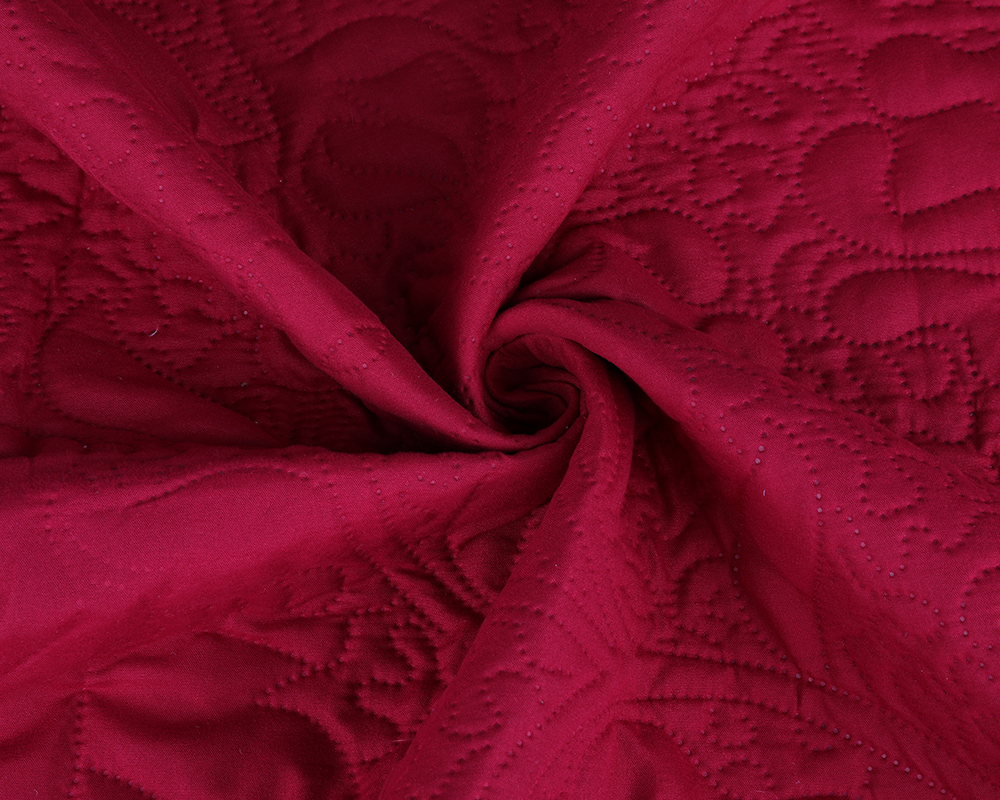
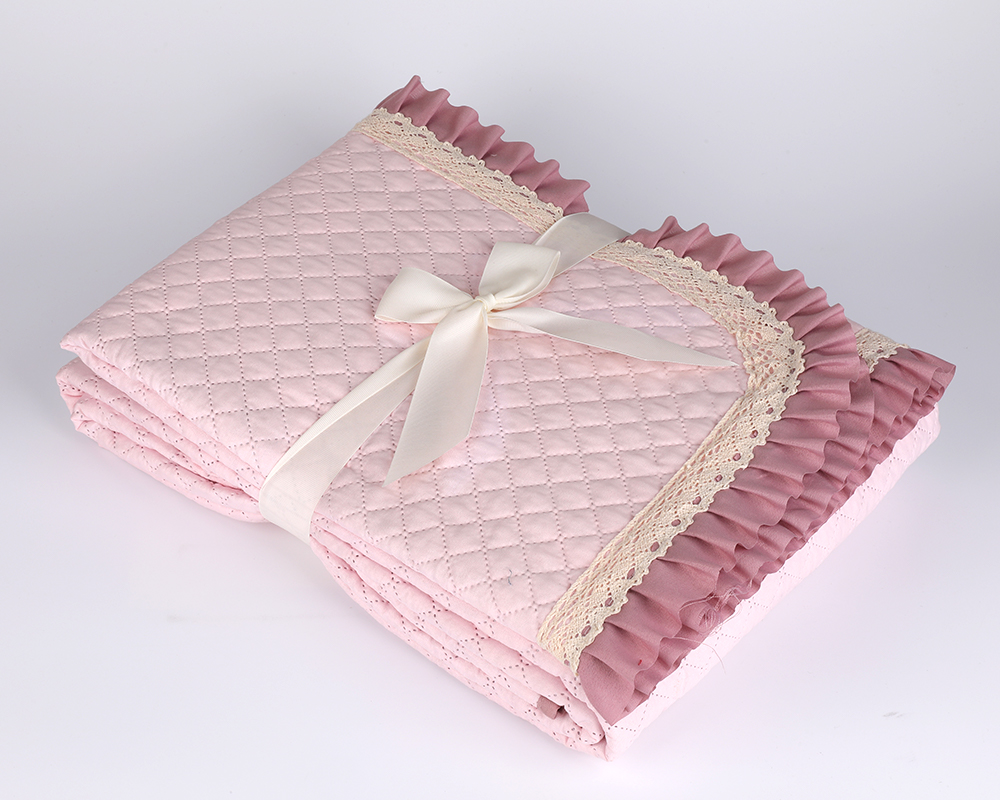
Matelassé mimics the look of quilting or padding through a double-cloth weaving technique. It creates a puckered or quilted effect without actual stitching. This type is popular in bedspreads and lightweight blankets, offering visual texture and warmth without the weight of traditional quilting.
| Type | Texture | Reversible? | Best Use |
|---|---|---|---|
| Damask | Smooth, Satin/Matte | Yes | Table Linens, Upholstery |
| Brocade | Raised, Embossed | No | Evening Wear, Decor |
| Matelassé | Quilted, Puckered | Often | Bedspreads, Blankets |
| Tapestry | Heavy, Rough | No | Wall Hangings, Chairs |
Practical Applications in Home and Fashion
Upholstery and Drapery
Due to their density and durability, jacquard fabrics are a top choice for furniture upholstery. They resist pilling and abrasion better than many plain weaves. In window treatments, jacquard curtains provide excellent light blocking and thermal insulation, helping to reduce energy costs by up to 25% in winter months.
Fashion and Accessories
In fashion, jacquard is used for structured jackets, ties, and evening gowns. Its ability to hold shape makes it ideal for tailored garments. Designers often use jacquard for statement pieces because the woven pattern adds depth and sophistication without the need for additional embellishments.
Care and Maintenance Guidelines
Cleaning Instructions
Care requirements depend heavily on the fiber content. Cotton and polyester jacquards can often be machine washed on a gentle cycle, while silk and wool variants require dry cleaning. Always check the manufacturer's label. For upholstery, regular vacuuming with a brush attachment prevents dust from settling into the woven crevices.
Preventing Damage
- Avoid Bleach: Chlorine bleach can weaken fibers and distort colors in woven patterns.
- Iron with Care: Use a low heat setting and iron on the reverse side to preserve the raised texture.
- Protect from Sun: Prolonged direct sunlight can fade natural fibers like silk and cotton over time.
- Handle Snags Gently: Do not pull loose threads; instead, trim them carefully to prevent unraveling.
Choosing the Right Jacquard for Your Project
Consider Durability Needs
For high-traffic areas like living room sofas, choose synthetic blends or tight-weave cotton jacquards with a high rub count (over 15,000 double rubs). For decorative pillows or wall art, delicate silks or loose-weave linens may be suitable.
Match the Aesthetic
Jacquard patterns range from subtle tonal designs to bold, multi-colored motifs. Consider the scale of the pattern relative to the size of the item. Large-scale patterns work well on expansive items like duvet covers, while smaller, intricate designs are better suited for ties or small accent pillows.