English
 中文简体
 Español

Search...
That unmistakable feeling of sliding into a hotel bed—cool, crisp, impossibly smooth—is not an accident. It's the result of deliberate material choices, precise layering, and a procurement philosophy very different from how most people shop for bedding at home. Here's exactly what hotels use, and why each decision is made.
Content
- 1 Sheets: Cotton Is the Industry Default
- 2 Thread Count: The Number Hotels Actually Use
- 3 Percale vs. Sateen: Which Weave Do Hotels Prefer?
- 4 Why Hotels Always Use White Sheets
- 5 The Full Layering System Hotels Use
- 6 Duvets and Comforters: Fill Material Choices
- 7 How Hotels Maintain Bedding Quality Over Time
Sheets: Cotton Is the Industry Default
Across the hospitality industry, cotton is the overwhelming standard for hotel bed sheets. It earns this position through a combination of breathability, softness, guest comfort, and—critically—its ability to withstand the rigors of commercial laundering. Research published in the Journal of Sleep Research confirms that bedding fiber type directly influences sleep quality through thermal comfort and moisture management, which helps explain why cotton remains the hospitality default despite the availability of lower-cost alternatives.
Within cotton, quality matters more than marketing language. Hotels that prioritize guest experience source sheets made from long-staple or extra-long-staple cotton—varieties like Egyptian, Pima, or Supima. These fiber types produce thinner, stronger individual threads. The result is a fabric that feels softer, pills less, and holds up across hundreds of commercial wash cycles without losing its hand feel or structural integrity.
Budget and mid-range hotels often use cotton-polyester blends. The polyester component adds wrinkle resistance and reduces drying time—both significant operational advantages at scale—while the cotton content preserves breathability and a natural feel against skin. At the luxury end, 100% long-staple cotton is the standard, with blends rarely found above a certain tier.
Thread Count: The Number Hotels Actually Use
Thread count has become one of the most misunderstood metrics in bedding. The hospitality procurement industry settled on its preferred range decades ago and has largely stayed there: 250 to 400 threads per square inch for cotton percale sheets used in commercial settings. Anything above 400 tends to reduce breathability and adds weight that complicates laundering without delivering proportional comfort benefits.
The reason high thread counts—800, 1000, or beyond—are rarely found in genuine hotel procurement is practical: tightly woven fabrics don't survive industrial wash cycles as well as mid-range weaves do. When manufacturers achieve very high thread counts, they often do so by counting multi-ply yarns individually, which inflates the number without corresponding improvement in quality or feel.
A 300-thread-count sheet made from Egyptian long-staple cotton will outperform a 1000-thread-count sheet made from short-staple fibers in every relevant dimension: softness, durability, and breathability. Hotels figured this out through procurement experience. Fiber quality is the variable that matters; thread count is a secondary signal at best.
Percale vs. Sateen: Which Weave Do Hotels Prefer?
Hotel sheets are woven in one of two dominant patterns, and each produces a distinctly different feel:
- Percale uses a one-over, one-under weave structure. The result is a matte-finish fabric that feels crisp, cool, and lightweight. Percale is the classic choice for luxury and boutique hotels aiming for that signature "freshly ironed" feel. It's highly breathable, making it comfortable across climates, and its tight structure makes it exceptionally durable over time—it tends to get softer with each wash rather than deteriorating. Industry experts frequently cite percale as the preferred weave for commercial hotel linen.
- Sateen follows a four-over, one-under pattern, which brings more thread surface to the top of the fabric. This creates a subtle sheen, a silkier touch, and a slightly heavier drape. Sateen is naturally more wrinkle-resistant than percale, which appeals to housekeeping operations. Some luxury and resort properties prefer it for the warmth and visual richness it brings to the bed presentation.
Neither weave is objectively superior. Percale is the more common choice in four- and five-star hotels targeting a clean, cool aesthetic; sateen appears more frequently in warm-climate resorts or properties where a plush, opulent look is the priority. For commercial bedding fabrics used at scale, home textile bedding sets built for repeated laundering typically use polyester-based weaves engineered to replicate these properties at lower cost.
Why Hotels Always Use White Sheets
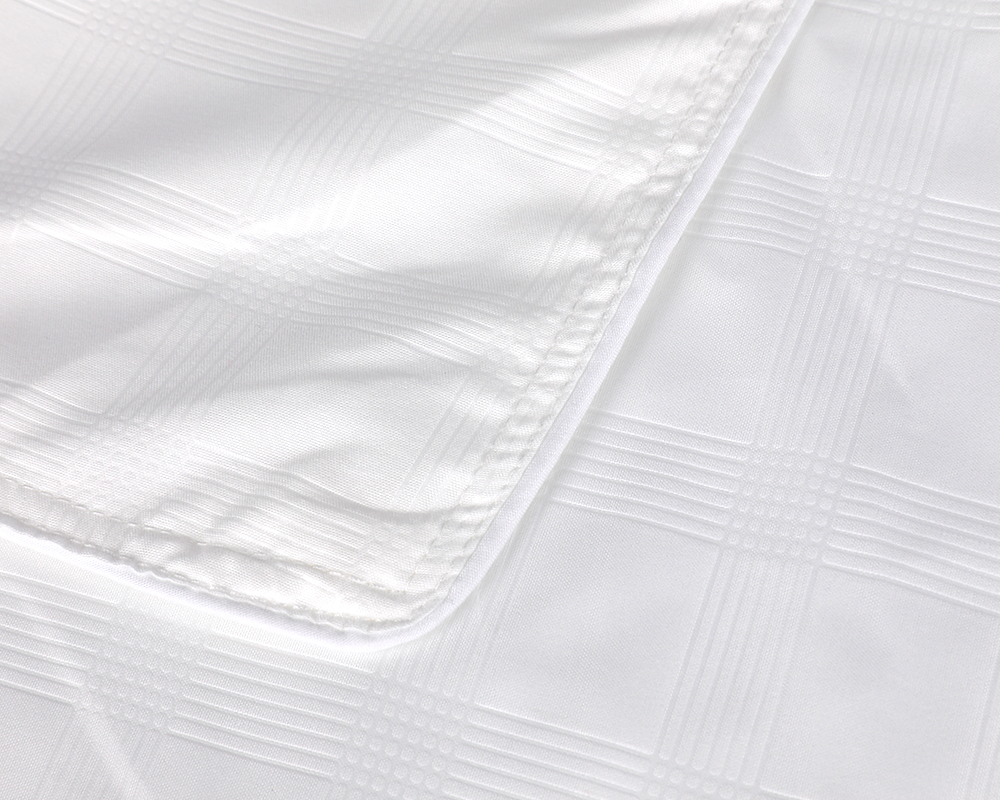
White is not a stylistic accident. It's a practical standard that serves multiple operational purposes simultaneously. White sheets allow housekeeping staff to immediately identify any stains before a room is turned over to a new guest. They can be washed at higher temperatures with bleach-based detergents without risk of color degradation. And they present a consistent visual baseline across every room in a property, regardless of décor variation.
There's also a psychological dimension. Guests associate white bedding with cleanliness and hygiene. High-quality white sheets that resist yellowing over time—which long-staple cotton does well—maintain this perception through a linen's entire commercial lifespan. The occasional detail of a subtle embroidered border or a satin stripe is where hotels introduce visual distinction without departing from white as the base.
The Full Layering System Hotels Use
Hotel beds are built in layers, and each serves a specific functional purpose. Understanding the system explains why a hotel bed feels different from most home setups—it's rarely about any single item, but about how the components work together.
- Mattress protector: An encasement or fitted pad that shields the mattress from spills, allergens, and body oils. Commercial-grade protectors are waterproof, hypoallergenic, and machine-washable. They extend mattress life significantly, which matters when a single mattress serves hundreds of guests annually.
- Fitted sheet: Stretched tightly over the mattress and protector, this layer forms the clean foundation. Deep-pocket versions accommodate mattresses with toppers without pulling loose during the night.
- Flat sheet: Placed between the guest and the duvet, the flat sheet protects the duvet insert from direct contact and reduces how often the duvet itself needs washing. It also enables the signature "hotel tuck"—that crisp fold at the top of the bed that signals the room has been properly made.
- Duvet insert and cover: Most hotels use a duvet system rather than a fixed comforter. The insert—filled with down, feathers, or synthetic alternatives—provides warmth and loft. The duvet cover protects the insert and can be laundered independently, maintaining hygiene standards without requiring the insert itself to go through industrial washing after every stay.
- Pillows: Hotels typically set beds with four pillows: two firm and two soft, to accommodate different sleep positions and preferences. Pillow fills range from down and down-alternative to memory foam for premium properties. Pillow protectors sit between the pillow and the pillowcase, serving the same hygiene function as the mattress protector.
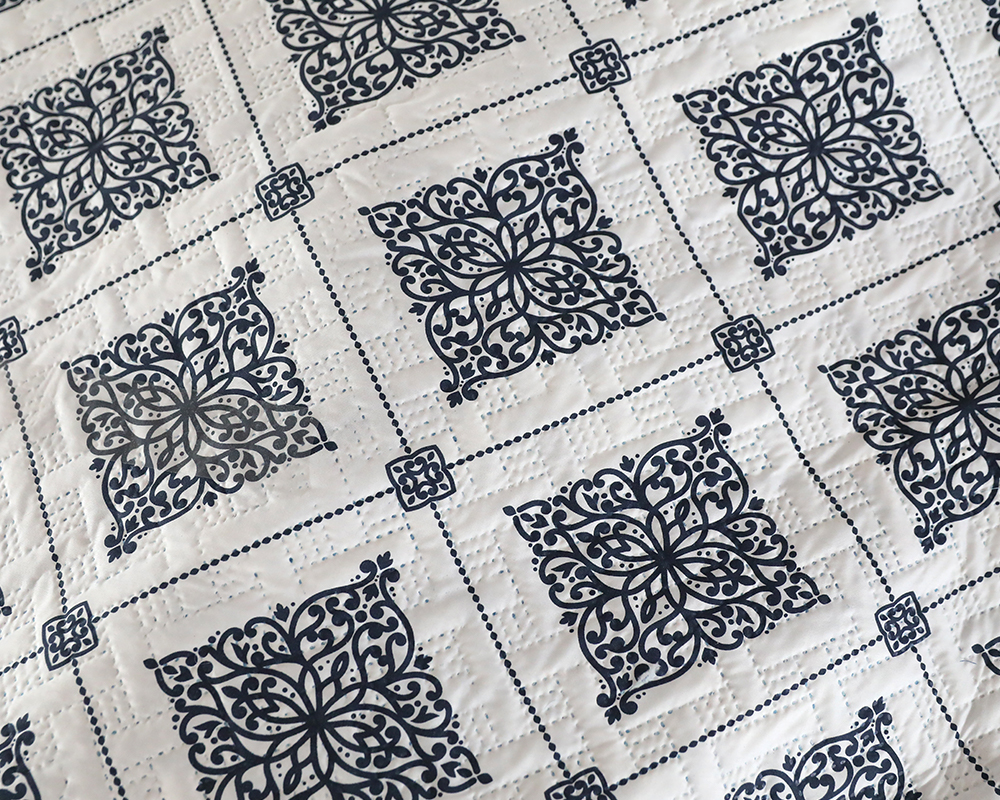
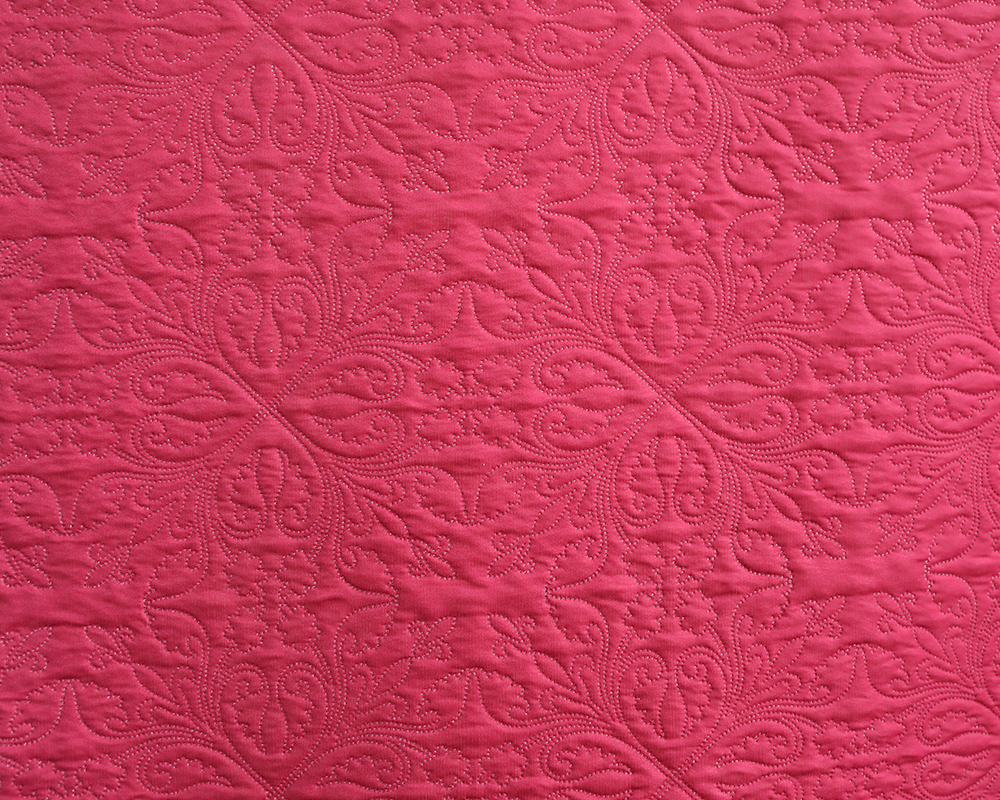
For hospitality operations sourcing stitching bedding sets designed for commercial durability, the stitching construction itself matters as much as the fabric—reinforced seams and precision quilting determine how well a set holds up under regular industrial laundering.
Duvets and Comforters: Fill Material Choices
The fill inside hotel duvets varies by tier and climate. At luxury properties, white goose down is the premium standard: lightweight, highly compressible, and exceptionally warm for its weight. Duck down is a common alternative, offering similar thermal performance at lower cost. Both are typically treated for allergen reduction.
Down-alternative fills—usually polyester microfiber—dominate in mid-market and budget hotels. They're easier to wash, dry faster in commercial laundry systems, and eliminate concerns for guests with feather allergies. The better synthetic fills closely replicate the loft and warmth of natural down while offering consistent performance across many more wash cycles.
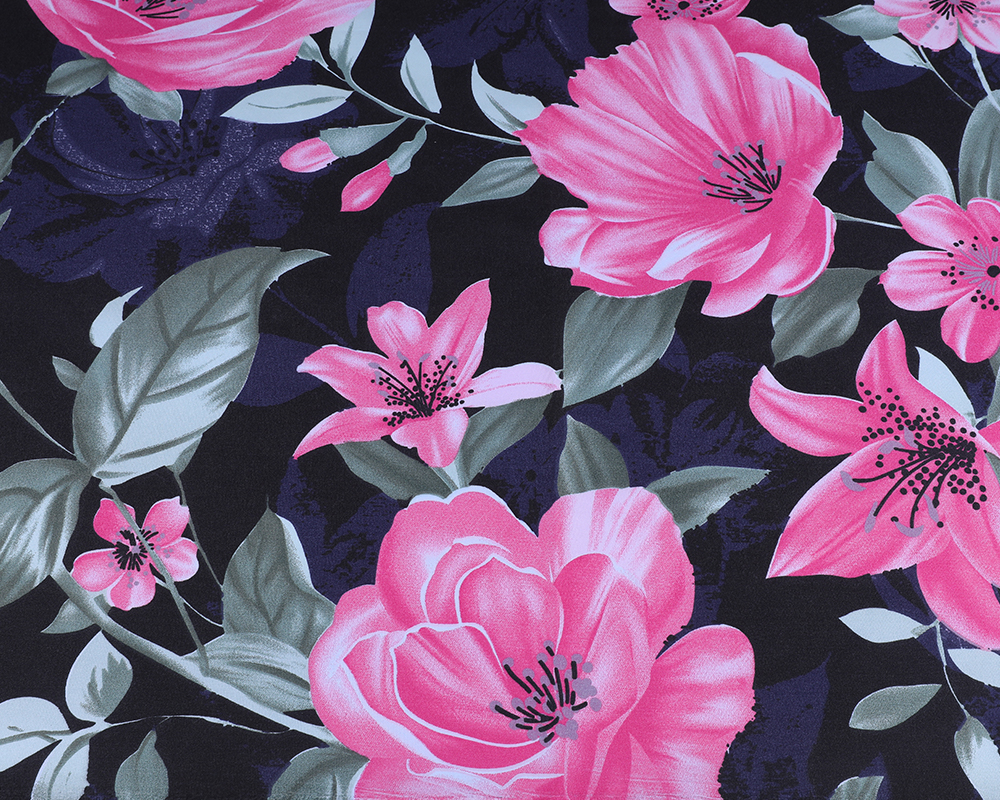
The outer shell of a hotel duvet is almost always cotton percale or a cotton-polyester blend, chosen for breathability and the ability to maintain a smooth, wrinkle-free appearance after drying. 100% polyester dyed fabric is widely used for duvet covers in properties that prioritize ease of care and color consistency, particularly for colored or patterned designs in guest rooms.
How Hotels Maintain Bedding Quality Over Time
The reason hotel sheets feel different from home sheets isn't just the material—it's also how they're laundered. Commercial hotel laundry operates at higher temperatures than most residential machines, which sanitizes effectively and helps preserve the bright white appearance of sheets over time. Professional laundering also uses specific detergent formulations designed for cotton linens, avoiding the fabric softener buildup that can reduce a sheet's breathability and moisture-wicking ability.
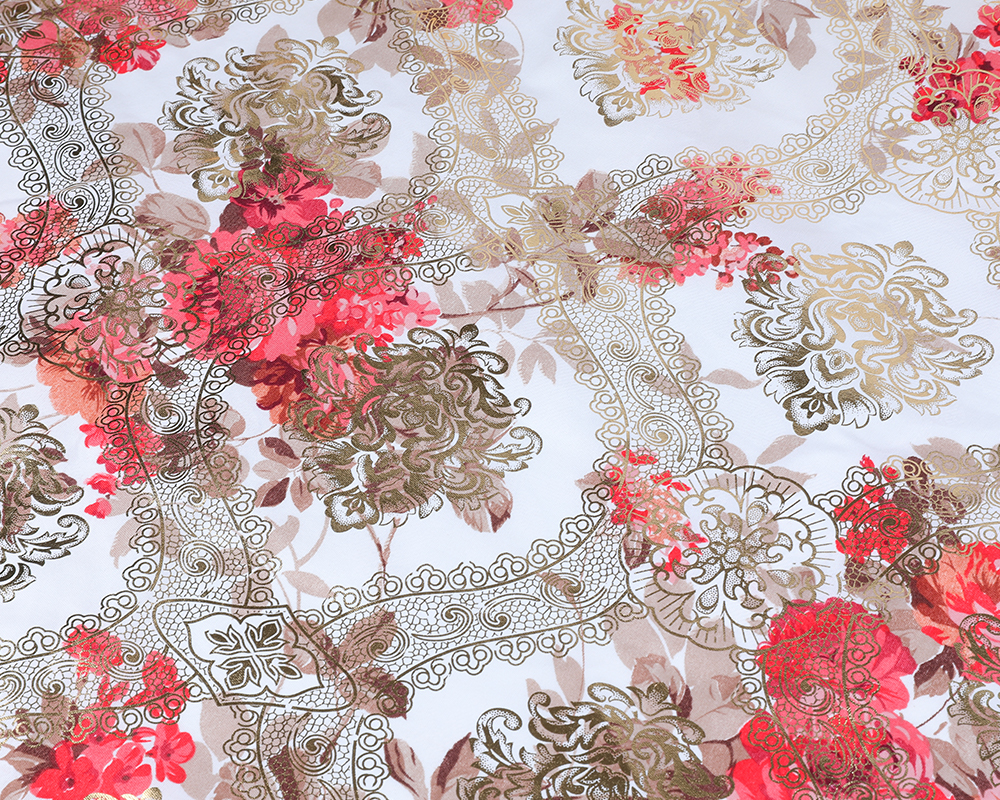
Hotels replace bedding on a rotation schedule rather than waiting for visible wear. Sheets are typically retired after a set number of wash cycles—often 150 to 200 industrial washes—regardless of appearance. This keeps the guest experience consistent and prevents the kind of gradual deterioration that would go unnoticed in a residential setting but is tracked closely in hospitality procurement. For properties sourcing 100% polyester printed fabric for decorative bedding components, colorfastness through repeated laundering is a key specification to verify before bulk purchasing.