English
 中文简体
 Español

Search...
Content
What Is Woven Polyester Fabric?
Woven polyester fabric is made by interlacing two sets of polyester yarns—warp threads running lengthwise and weft threads running crosswise—at right angles on a loom. That perpendicular structure is what separates it from knit polyester, where yarns are looped together instead of crossed. The result is a stable, flat material with a defined grain, rather than a stretchy, elastic one.
Because the yarns lock into a fixed grid, woven polyester holds its shape well. It doesn't sag, curl at the edges, or lose its dimensions the way some knits do after repeated washing. Depending on how tightly the yarns are packed and which weave pattern is used, the fabric can range from crisp and paper-like to soft and fluid, but it always keeps that characteristic structured hand.
Woven vs. Knit Polyester: Why It Matters
The weave-versus-knit distinction isn't just technical trivia—it determines what a fabric is actually good for. Knit polyester stretches in one or more directions, drapes softly against the body, and is the default choice for T-shirts, activewear, and fitted garments. Woven polyester does the opposite: it holds a crease, keeps a tailored silhouette, and resists the kind of stretching and bagging that knits are prone to.
That firmness is also why woven polyester dominates categories where dimensional stability matters more than flexibility—shirting, uniforms, curtains, upholstery, and structured bags. A tightly woven polyester will typically outlast a comparable knit in high-friction or high-tension applications, simply because there's less give for seams and surfaces to work against. Buyers choosing between the two should start with the end use: does the product need to move with the body, or hold its form under it?
Key Performance Properties Buyers Should Know
Several properties consistently show up when comparing woven polyester to other textile options, and they're worth understanding before placing an order.
- Durability and abrasion resistance: polyester fibers are strong relative to their weight, and the woven structure spreads stress across the whole grid instead of concentrating it at loop points, which is part of why the fabric resists tearing and pilling.
- Wrinkle and shrink resistance: polyester's low moisture absorption means the fibers don't swell and relax the way cotton or rayon do, so woven polyester keeps a pressed, finished look through repeated wear and washing.
- Colorfastness: disperse-dyed or printed polyester tends to hold color well under sunlight and washing, which is a major reason it's used for outdoor fabrics, signage, and everyday bedding that gets laundered frequently.
- Moisture behavior and hand-feel: standard woven polyester sheds water rather than absorbing it, which is useful for outerwear but less breathable than natural fibers in hot conditions. The surface feel also varies more than people expect—it isn't automatically stiff or plasticky. For a closer look at what actually controls softness in polyester, our article on what determines whether polyester feels soft or coarse breaks down the manufacturing variables involved. For buyers specifically weighing polyester against natural materials for comfort, this piece on how dyed polyester compares to natural fibers for comfort goes further into the trade-offs.
Common Weave Types and Their Best Uses
Not all woven polyester is constructed the same way, and the weave pattern changes both appearance and performance significantly.
| Weave Type | Surface Characteristics | Typical Applications |
|---|---|---|
| Plain weave (e.g. broadcloth, taffeta) | Tight, flat, crisp | Shirting, linings, event drapery |
| Twill weave | Diagonal rib, strong, hides soil | Workwear, bags, upholstery |
| Satin/sateen weave | Glossy face, smooth hand | Eveningwear, bedding, decorative linings |
| Canvas/duck weave | Heavy, coarse, rigid | Outdoor gear, industrial covers |
Finish treatments layer on top of the base weave and can shift the outcome further—calendering adds shine and smoothness, while brushing raises a soft nap. A single weave type, like plain weave, can therefore end up feeling completely different depending on the finishing process applied after weaving.
Where Woven Polyester Fabric Is Used
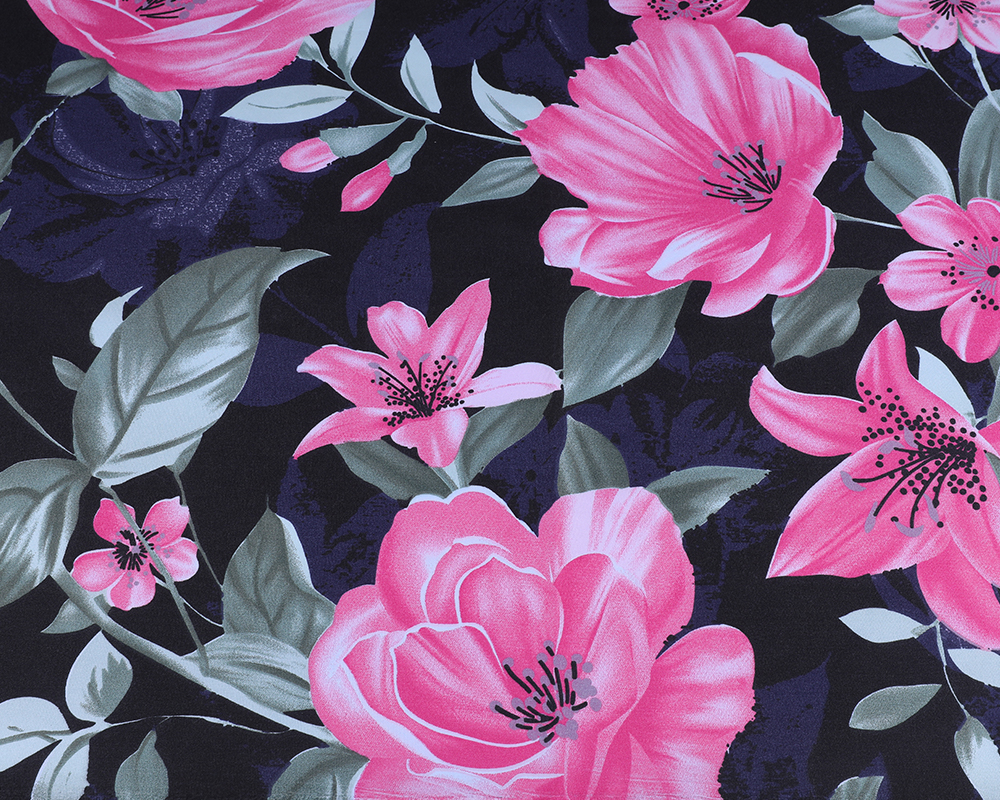
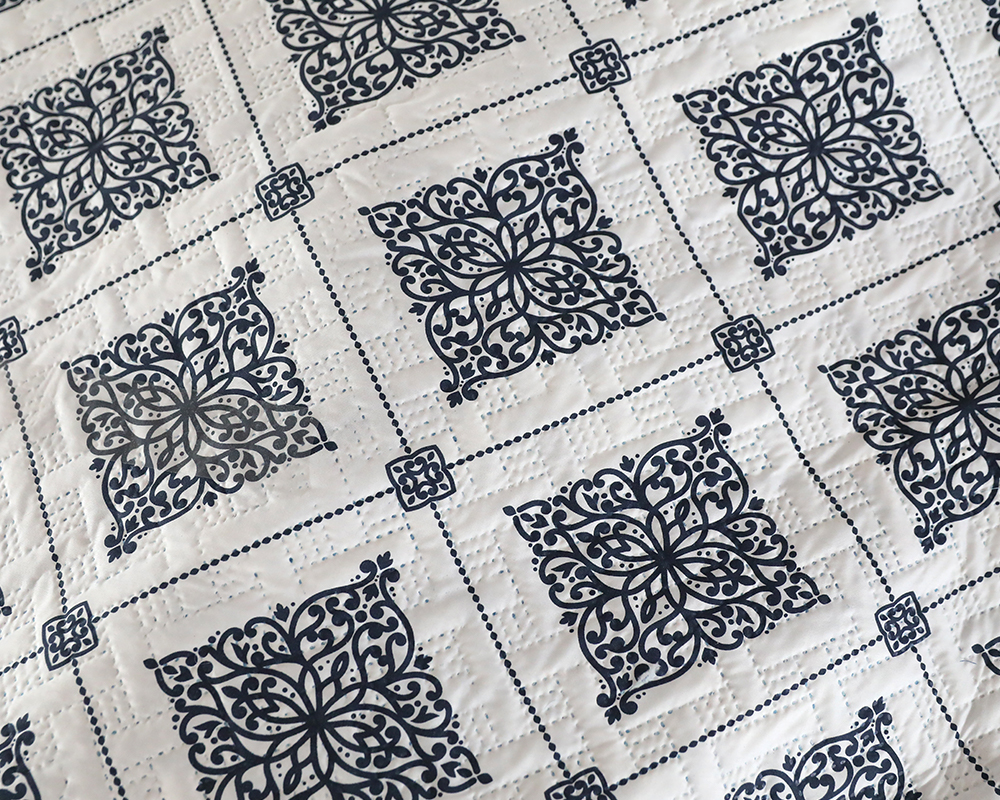
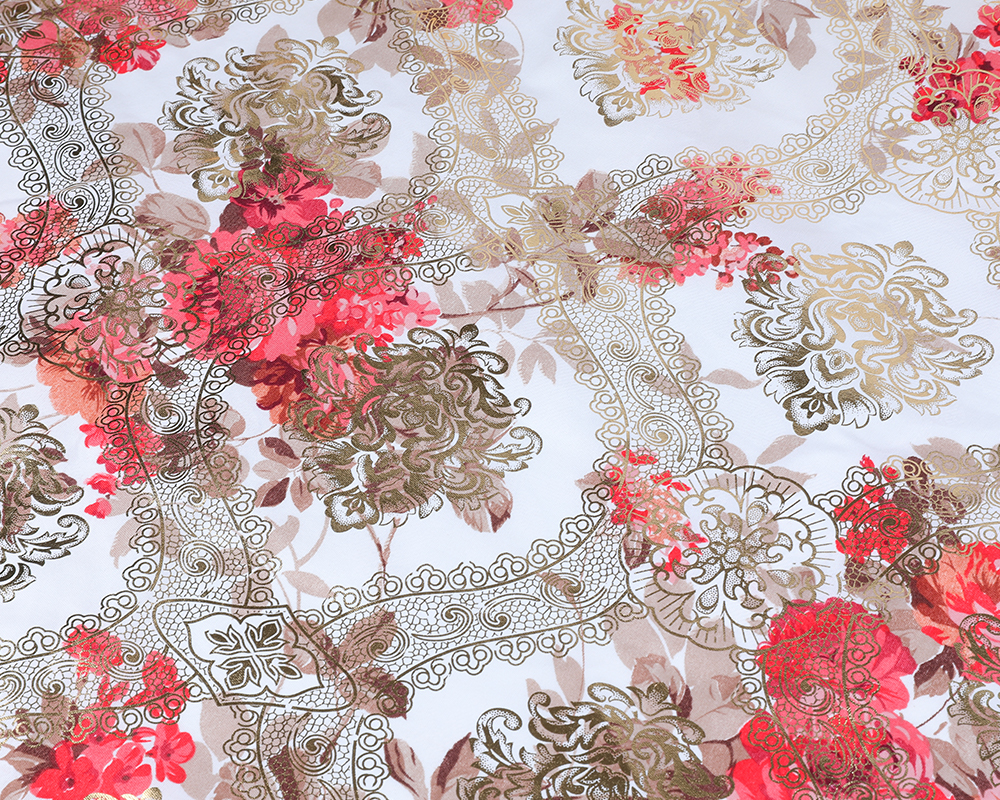
The combination of structure, durability, and low cost puts woven polyester across a wide span of industries. In apparel, it shows up in dress shirts, tailored trousers, jackets, and school or corporate uniforms, where a crisp silhouette matters. In home textiles, it forms the base for curtains, tablecloths, upholstery, and printed or dyed bedding fabrics—our super-soft microfiber printed fabric for home textiles is one example built specifically for that segment.
Beyond apparel and home décor, woven polyester is used in flags, banners, trade show signage, protective covers, and automotive interiors, where UV resistance and dimensional stability matter more than softness. Buyers producing finished bedding products in particular often source directly from bedding sets made with 100% polyester fabric rather than piecing the fabric and construction together separately.
What to Check When Sourcing Woven Polyester Wholesale
Sourcing fabric for production is a different exercise than buying a few yards for a personal project. A few checkpoints tend to separate a smooth order from a costly mistake.
- Fabric weight (GSM) and width. Confirm the grams-per-square-meter and usable fabric width match your pattern layout—mismatches here are one of the most common causes of yield loss in bulk cutting.
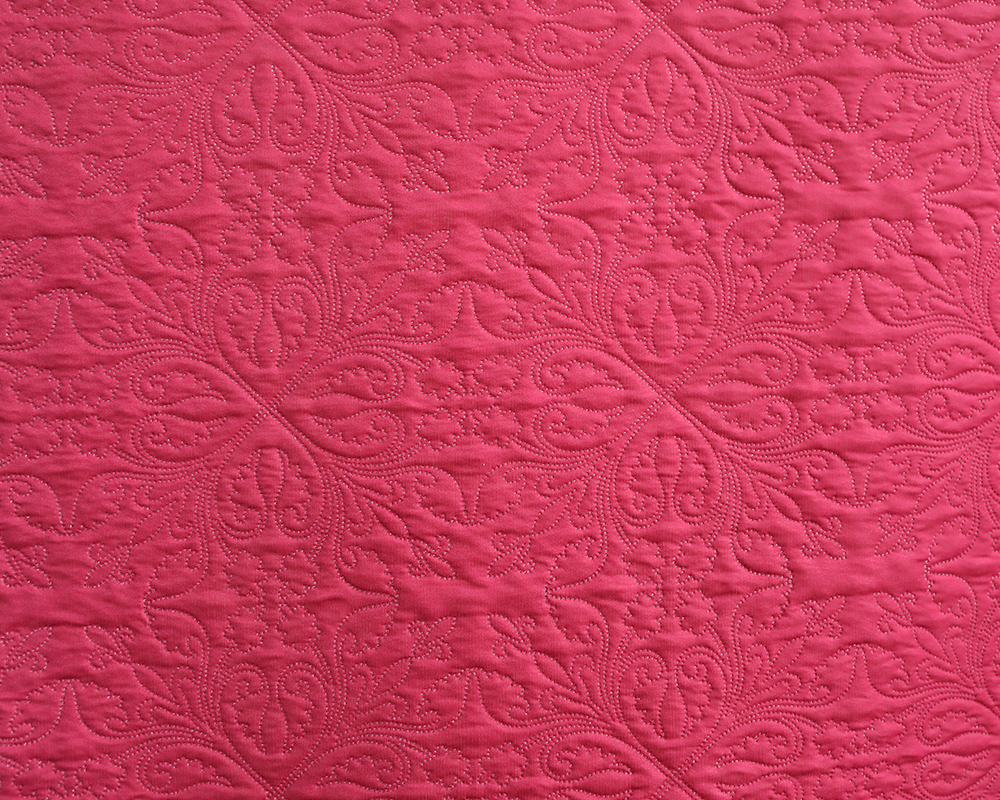
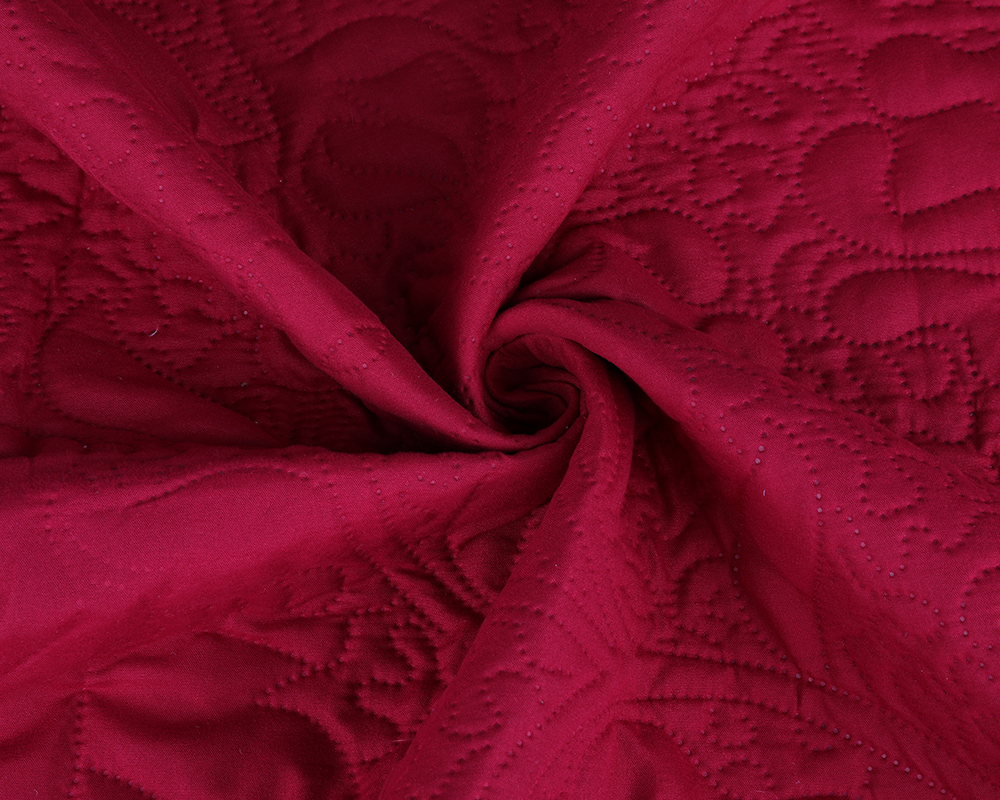
- Color and print process. Understand whether your fabric will be solid-dyed, disperse-printed, or embossed, since each process affects colorfastness, minimum order quantities, and lead time differently. Suppliers offering a plain solid color dyed polyester fabric line typically have more flexibility on custom shade matching than fully preset print catalogs.
- Safety and compliance certification. For textiles reaching consumers, especially bedding and apparel, ask whether the fabric or its components are certified under a recognized safety standard such as independent testing for harmful substances in textiles, which many retail buyers now require as a baseline.
- Customization and sampling. Confirm whether the manufacturer can produce a design, color, or embossing pattern to your specification, and always request a physical swatch before committing to a production run.
- Supplier track record. Look for factories with established export experience and documented quality certifications rather than relying on catalog images alone. A manufacturer offering a full wholesale 100% polyester printed fabric range alongside a 100% polyester dyed fabric collection gives buyers more room to standardize sourcing across multiple product lines with one partner.
Getting these details right up front saves far more time than resolving them after a shipment arrives. A short call or sample exchange with a supplier before the first bulk order is almost always worth the delay.